

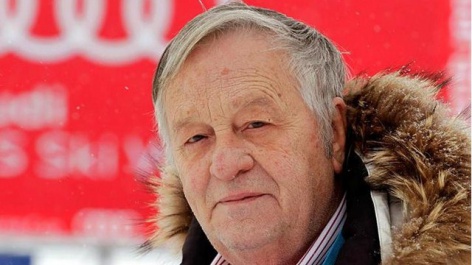

During the opening weekend of the Audi FIS Ski World Cup races, a multitude of press conferences prepared the media for the upcoming season. Also on the busy agenda was the traditional Alpine Forum, where FIS President Gian Franco Kasper discussed the upcoming season. FIS Newsflash took the chance to sit with him to go more in depth about what to expect in 2015/16.
This season the FIS Ski World Cup takes centre stage - what do you see as the season highlight?
Naturally, the January block is an annual highlight with Adelboden, Wengen and Kitzbühel always providing the most memorable atmospheres and races each year. But I think what will be special this season is the Olympic Test Event in Korea. Anytime we can expand our horizons to a new continent, it is a major opportunity for the entire ski industry.
Can you tell us more about what to expect for the Olympic Test Event on the new course at Jeongseon?
The IOC recently completed the latest Coordination Commission meeting and the timetable is tight, but on track, for the Koreans to produce both a successful test event and Olympic Winter Games. The course is looking very good to be ready for the test event and I think it will be a good opportunity for the Alpine Skiing world to have a sneak preview on what to expect in February 2018 when the Olympics begin.
Olympic Agenda 2020 was also of interest to the media in Soelden. Can you tell us more about that and what it means for Alpine Skiing?
The first reaction to any major change is often to be skeptical or fearful. We saw that with the headlines the last few weeks about the downhill being in danger, which is certainly not the case. The Agenda looks to address some of the past problems within the Olympic Movement, namely the costs of hosting the Games and the transparency behind the bid process. By initiating the Olympic Agenda 2020, the IOC is being extremely proactive and receptive to change by allowing everyone interested to see ‘inside the Games’. The Agenda will certainly change many things within the Olympic Movement, but they are welcome changes.
You were also widely asked about your thoughts on the Olympic Winter Games going to Beijing in 2022.
I think there are some persons inside the sport who are little hesitant of welcoming a non-traditional nation into the fold. But in fact, this is a hugely positive development for skiing and winter sports. We have the chance to introduce our sport to many millions of new people. FIS has always taken a global approach to the development of skiing through the World Cup as well as campaigns such as Bring Children to the Snow and the World Snow Day, which aim to introduce children, no matter where they live, to skiing and winter sports. That the IOC and the Olympic Movement has the opportunity to further these efforts is a great step and one that I hope can expand even further into other regions.
The situation with FIFA was also on the agenda of many journalists in Soelden asking your opinion.
I have said many times that the situation in which FIFA currently finds itself is bad for all of sport. Other international federations and national associations are unfairly associated with similar practices just because we are also sport governing bodies. The IOC has set the example for FIFA to follow by undertaking a major reform process of its governance 15 years ago, which has led to an extremely well-run organisation in a complex environment that involves multiple stakeholders.
Within FIS we have not encountered the issues that FIFA is facing since our members share similar values and understand each other. Basically we are mountain people who are able to deal with any differences on the slopes and over a drink in the mountain huts. Unfortunately in one interview I have been misrepresented claiming that we do not have African members. But this is of course untrue Ghana, Morocco, Tunisia, South Africa, Lesotho, to name a few, are active members of FIS who are developing the sport actively in the region. I will certainly never forget having the honour of presenting Adam Lamhamedi with the first gold medal for Morocco and Africa at the 2012 Youth Olympic Games in Innsbruck.
Let’s talk about the action on the slopes. The ladies’ tour suffered a major setback with the injury to Anna Fenninger on the eve of Soelden.
I wish Anna all the best in her recovery and am sure we will see her back in Soelden next year at this time. But for the rest of the field, and for ladies’ skiing it presents an opportunity for a new athlete to become the next big star. We need several stars in this sport from a number of nations and should not only rely on one or two big names.
And your thoughts on the men’s side?
Our first race in Soelden I think gave us a glimpse as to what we can expect all year. It was a thrilling, close, hard fought race between not only the big names, but up-and-coming stars as well. It’s certainly going to be an interesting season with the athlete’s sole focus being the World Cup. Hirscher will be going for a fifth overall title, but there could be some new challengers this time, which is positive indeed. I also think that by awarding a discipline globe for the Alpine Combined for both the men’s and ladies’ we are encouraging athletes to be ‘overall’ skiers and compete across all areas and not just speed or technical specialists, which has been the trend on the men’s side in the last decade.
Source: fis-ski.com